
CONVICTED (2022) | William Derrick Perriton aka Herbie Perriton, born 21 June 1980, and Rebecca ‘Ree’ Heath, born 29 November 1982, of 138 Church Road, Three Legged Cross, Wimborne BH21 – ran an illegal dog breeding business and failed to meet the needs of the animals they greedily exploited.

Perriton and Heath pleaded guilty to causing unnecessary suffering to a protected animal, failing to take steps to ensure then needs of animals were met and carrying out a dog breeding and selling business for 14 months without a licence.
When Dorset Council officers and a vet visited the couple’s address in Three Legged Cross, it was found that the canines did not have a suitable environment and diet, they were not able to exhibit normal behaviour patterns and they were not protected from pain, suffering, injury and disease.
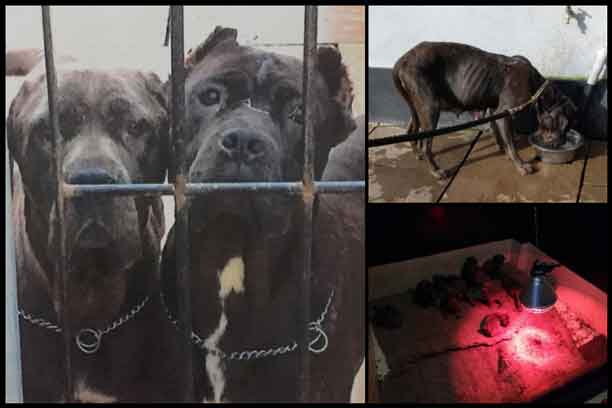
The court heard the couple were advised on four separate occasions in 2019 that they needed to apply for a licence to run a dog breeding business.
However, when the local authority executed the warrant in March 2020, no application for a licence had been made.
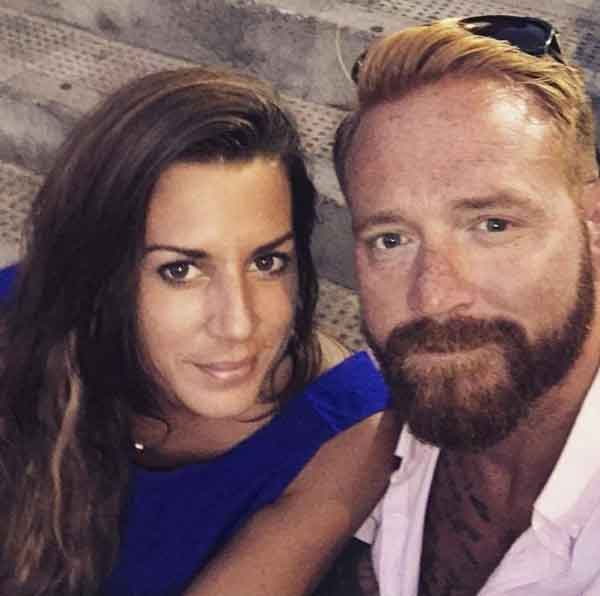
Prosecuting, Syan Ventom said the breeding operation took place at the defendants’ home address.
He said the needs of 39 of the of the dogs found on the premises were not being met.


The council first had contact with the couple in October 2017 when an officer visited following a complaint.
At the time, they told the officer they were considering dog breeding and advice was given on what they required to carry out that activity
A complaint about dog barking in September 2019 saw the council return to the address.
In October 2019, the defendants advertised a litter of German Shepherd puppies.
They did not act on further advice and continued to trade commercially, advertising on social media the court heard.
Mr Ventom said there was evidence of puppies being sold for between £900 and £1,200.

A telephone was seized after the warrant and conversations on WhatsApp showed Perriton being told he should advertise a puppy for sale at £3,500, to which he replied did not have a licence and the dog warden was “keeping an eye on him”.


The court heard the dogs were kept in two windowless, single-storey outbuildings. There was a strong smell of ammonia and bedding “ringing wet with urine”.
Mr Ventom said the conditions were described as “extremely unpleasant for dogs and humans”.
While the vet had sufficient evidence to make an order to seize the dogs, the defendants voluntarily handed over ownership.
The canines were taken into the care of the council, provided with veterinary treatment and eventually rehomed.
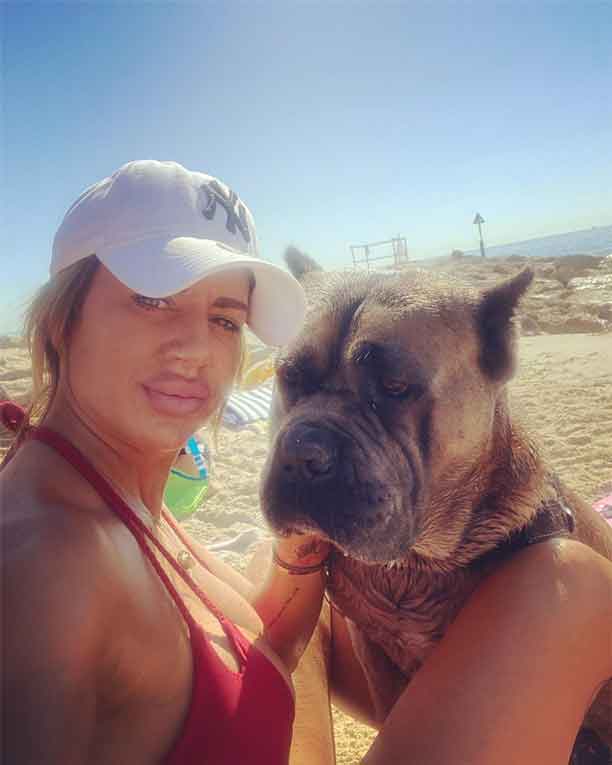
Mr Ventom said one of the Cane Corso bitches, Jet, had since been put down but there was no evidence before the court as to why this action had been taken.

Mitigating for both defendants, Laura Collier said: “In short they meant well and they did it badly and they disregarded to a huge extent the suffering that was caused to the animals.”
Ms Collier said the couple had four domestic dogs, who were well looked after.
Ms Collier said there was a “wealth of evidence” that her clients were “well-intentioned but incompetent in their conduct” adding that they had been “overwhelmed” by everything involved with running the operation and they had not been able to cope.

She referenced reports from a vet about healthy litters belonging to the couple since 2017, courses undertaken by Heath in canine health and puppy care, and positive reviews on social media from people who bought puppies.
The couple had applied for planning permission to change the use of the premises for dog breeding but “could not wait any longer” to start breeding due to the financial investment they had made, Ms Collier said.
The barrister said it was not necessary, appropriate or proportionate to impose a disqualification order.

The court heard the defendants made admissions when interviewed via post due to the pandemic and they had insisted they would not get involved in breeding again.
Judge Mousley ruled it was a case of high culpability but lesser harm despite the number of dogs involved.
The judge decided against imposing a disqualification order, which had been applied for in relation to owning dogs by the prosecution.
Sentencing | 12-month community order, with a requirement to carry out 200 hours of unpaid work each. No ban.
Update 28/11/2022
Perriton and Heath returned to court to hear details of the financial penalties – confiscation order and court costs – being levied against them following their conviction for illegal puppy selling.
A confiscation order is made against a convicted defendant ordering them to pay the amount of their financial benefit from crime. In this case, as the defendants were selling puppies without a licence, the income they made from selling puppies needs to be paid.
For the confiscation order, Perriton was ordered to pay £115,000 or risk 18 months in prison. Heath was ordered to pay £34,840 or risk nine months in prison. Both will also need to pay £4,500 each in prosecution costs, with a victim surcharge of £85 each.
Dorset Council are set to receive 37% of the confiscation order funds, which amounts to £55,440. This will go into the Community and Public Protection budget to be spent for the benefit of the community on general prevention and enforcement measures. The rest is split between central government and the HM Courts & Tribunals Service.