“Exploited” Amini Ato kept more than 40 dogs in filthy, cramped and dangerous conditions at an allotment, where she said she slept overnight with a gas stove while the animals deteriorated around her.
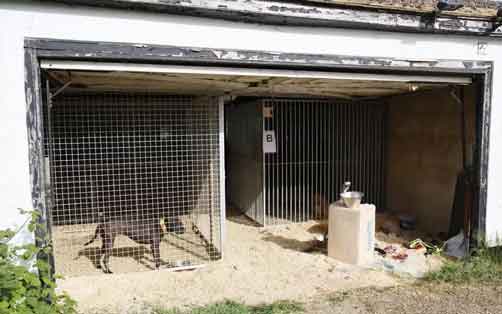
Police and RSPCA officers attended the Infield Lane allotments in Darnall on 2 May 2024 after concerns were raised about the welfare of dozens of dogs being kept there.
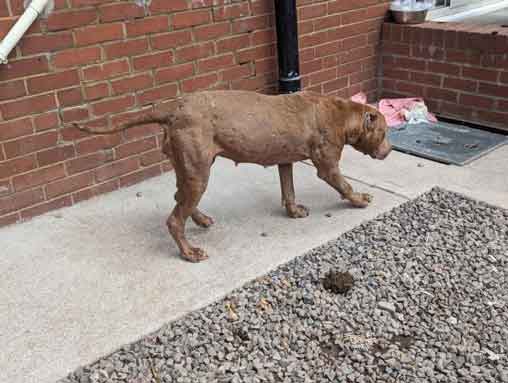
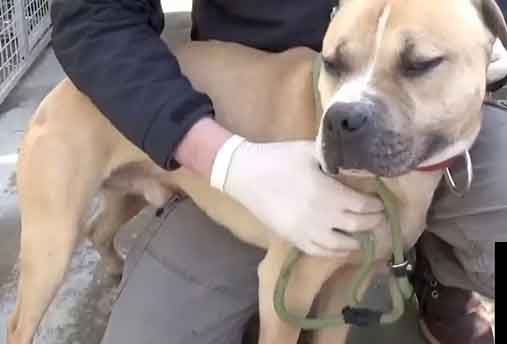
Inside the ramshackle kennel set‑up, officers found over forty dogs confined in dirty, soiled pens with concrete floors, inadequate bedding and little access to clean water.
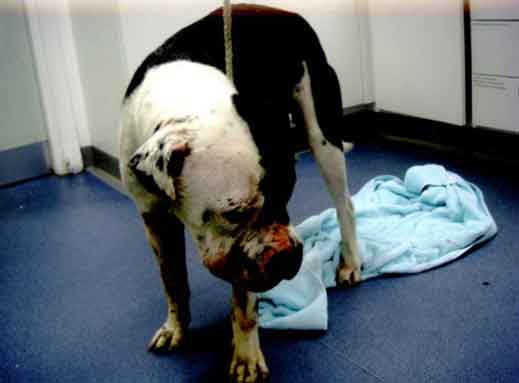
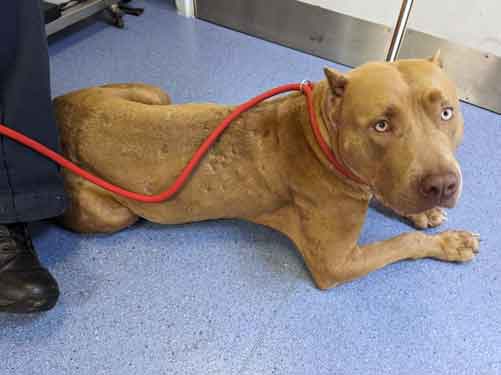
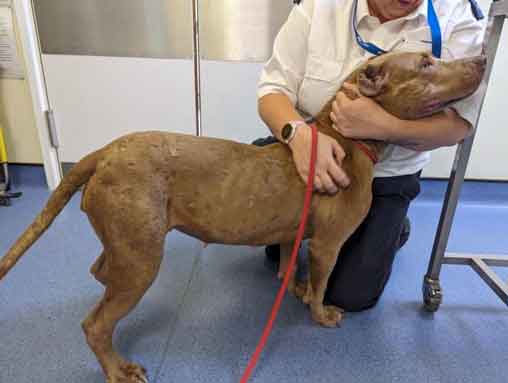
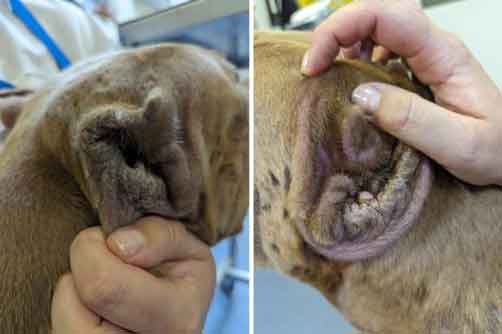
Many were panting for water, some barely able to move, and several were suffering from chronic skin disease, infected calluses and mobility issues that had clearly gone untreated for months.
An elderly German Shepherd was discovered with degenerative spinal disease, sore eyes and stiff joints, and had to be euthanised due to the severity of his condition.
Two bulldog‑type dogs with severe, discharging skin problems were also put to sleep. Several XL bullies were seized, including two that were unregistered.

Veterinary examinations confirmed that dogs at the site had been used for breeding and that suffering had continued for a prolonged period.
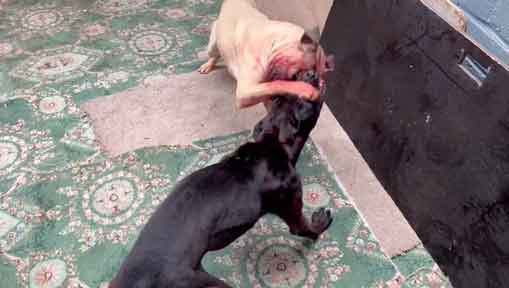
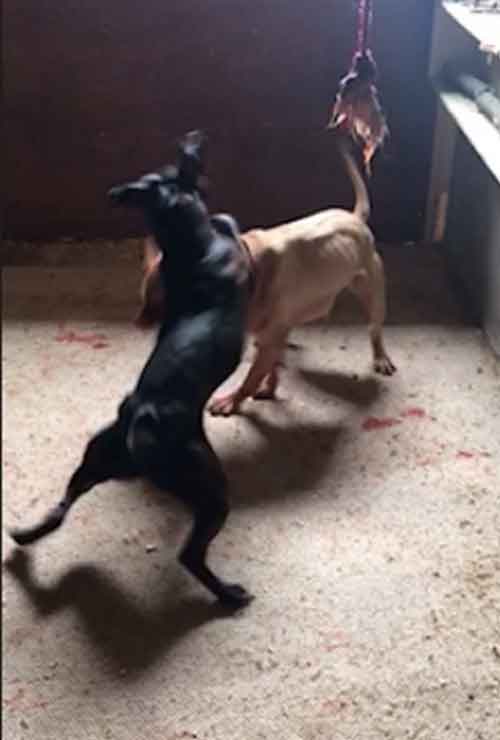
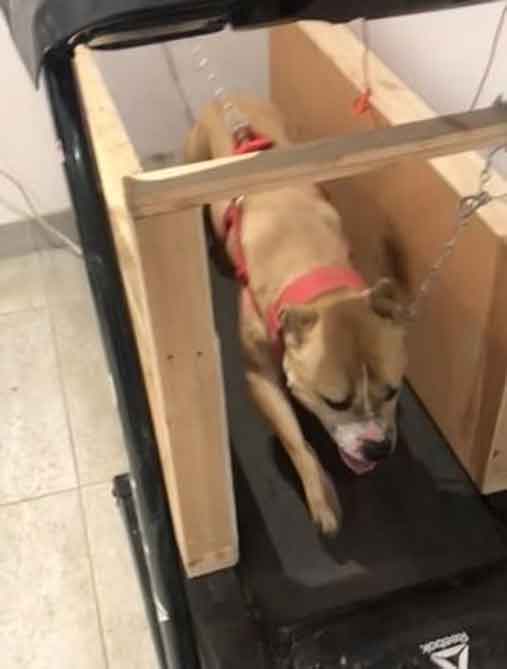
Ato admitted causing unnecessary suffering, failing to ensure welfare, possessing fighting dogs and operating an unlicensed s.13(2) activity.
Although the court accepted she had been “exploited” and “overwhelmed”, officers made clear that the dogs’ welfare had never been prioritised.
Sentence
Court: Sheffield Magistrates’ Court
Date: 19 October 2026
Penalty: 18 weeks’ imprisonment, suspended for 12 months; 120 hours of unpaid work; £614 costs
Ban: Seven‑year animal ownership ban (expires October 2033)
Police Statement
PC Dean Leadwood said: “What was uncovered was nothing short of heartbreaking and no animal should ever be forced to live in the conditions we found them in.
“While some dogs had to be sadly put to sleep, many were rehabilitated in RSPCA care and went on to find loving homes.”
At a Glance
Offender: Amini Ato
Born: circa 1974
Address: Middle Hay Place, Gleadless Valley, Sheffield S14 1QG
Animals Involved: 40+ dogs including XL bullies, bulldog‑types and an elderly German Shepherd
Offences: Causing unnecessary suffering; failing to ensure welfare; possessing fighting dogs; operating a s.13(2) activity without a licence (running an animal business without the legally required licence).
Condition: Severe skin disease, infected calluses, mobility issues, dehydration; three dogs euthanised
Outcome: Suspended sentence, unpaid work, seven‑year ban; majority of dogs rehabilitated
Additional: Claims to have slept at allotments with gas stove; relied on charitable vet until unable to pay; dogs used for breeding.
UKACF Commentary
Ato’s case is not simply about neglect. The scale, the breeds involved, the breeding activity, and the conditions uncovered all point to something far more organised than a struggling woman “sleeping at the allotments with a gas stove”. That narrative may have satisfied the court, but it does not align with the reality of 40+ dogs, including XL bullies, bulldog‑types, and an elderly German Shepherd, all kept in a makeshift kennel compound on an allotment plot.

This was not a handful of unwanted pets. It was a multi‑breed holding site, with dogs in varying stages of health, age and physical condition — a pattern entirely consistent with back‑yard breeding, guard‑dog supply, and protection‑animal circulation.
The presence of unregistered XL bullies is especially significant. These dogs do not simply appear in large numbers by accident. They are part of a high‑risk, high‑demand underground market, often tied to criminal groups who use them for intimidation, guarding, breeding, and, in some cases, fighting.
The veterinary findings confirm that dogs at the site had been used for breeding, and the sheer number of animals suggests a throughput far beyond what one person could manage legitimately.
Allotment‑based kennels are a known tactic in organised dog‑related crime: they provide privacy, distance from residential scrutiny, and a place to store dogs used for breeding, guarding, or fighting without attracting neighbours’ complaints.
The suffering found — untreated skin disease, infected calluses, mobility issues, dehydration — is typical of dogs kept as stock, not pets. These were animals being held, not cared for. The fact that some were so neglected they had to be euthanised indicates long‑term abandonment of welfare, not a sudden collapse in circumstances.
The court accepted that Ato had been “exploited by others”. UKACF agrees — but exploitation in this context usually means involvement in a wider criminal network. Vulnerable individuals are frequently used as front‑keepers for dogs belonging to organised groups, particularly when banned breeds or fighting‑type dogs are involved. The allotment location, the number of dogs, the breeding activity, and the presence of XL bullies all strongly suggest that Ato was not operating alone.
Whether she was breeding dogs for sale, holding dogs for others, or acting as a caretaker for animals linked to illegal breeding, guard‑dog supply or dog‑fighting activity, the operation fits the profile of a low‑level node in an organised dog‑crime chain. The suffering uncovered is exactly what happens when criminal groups prioritise profit, intimidation and control over welfare.
Despite this, the sentence imposed — a suspended term and a seven‑year ban — does not reflect the seriousness of the operation or the risks associated with the breeds involved. The dogs’ suffering was prolonged, predictable and preventable, and the wider criminal context remains unaddressed.
For these reasons, UKACF has flagged this case across multiple categories: Animal Hoarding, Denial of Veterinary Treatment, Psychological Abuse, Unfit Living Conditions, and Commercial Exploitation through Pet Profiteering and Security‑Dog Supply.
In addition, the presence of XL bullies, bulldog‑types, breeding activity and “fighting dogs” places this case firmly within Organised Animal Crime, with indicators consistent with Dog Fighting networks and the wider criminal trade in protection and intimidation animals. The red flags for organised activity are too strong to ignore.